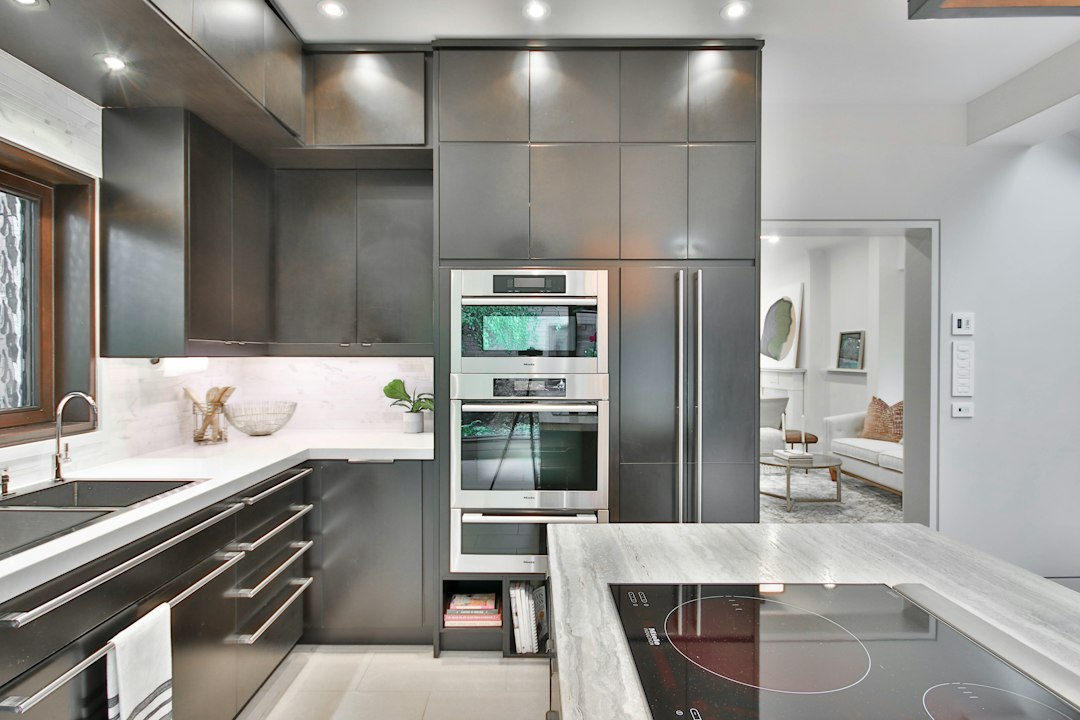
Palm Springs Kitchen Remodeling Starts Under the Slab and Behind the Walls
The most expensive surprises in a desert kitchen project are rarely visible on the day you sign. They sit in the slab, in the panel, in the paint on the old cabinet frames, and in the water that comes out of the tap. Deciding what to look for before the first cabinet comes off the wall is what separates a smooth project from a stalled one.
Why the desert changes the rules
Heat, sun, wind and very dry air all act on a kitchen in ways a coastal or mountain home never sees. Materials that behave well elsewhere can shrink, fade, delaminate or fail to cure here. Many homes in the valley were also built during the mid-century boom, which brings its own set of hidden conditions.
For anyone planning a kitchen remodel palm springs homeowners can trust to last, the useful starting point is a checklist of what the climate and the building age will do to your choices. The sections below follow the order a project actually unfolds: testing, layout, systems, materials, installation, and then upkeep.
Test before anyone demolishes anything
In an older Palm Springs house, treat flooring, ceilings and wall finishes as unknown until a lab says otherwise. Old 9x9 floor tiles, black tile mastic, the backing on sheet vinyl, textured ceilings and joint compound can all contain asbestos. Send samples to a lab before anyone pulls up a floor or opens a wall.
Lead is the second concern. Painted cabinets, trim and window frames in homes built before 1978 may carry lead paint. The safe approach is wet scraping, containment and HEPA cleanup. Dry sanding and heat stripping are the practices to rule out in writing with your contractor.
Do not assume a newer house is automatically clear of either. Testing is cheap compared with stopping a job halfway.
Open the panel before you pick the appliances
Appliances drive the electrical load, and older panels often lack the capacity for an induction range, a wall oven or a modern refrigerator and dishwasher set. Some homes from the mid 1960s to early 1970s also have aluminum branch circuits, which need proper evaluation and correct connections.
Have the panel and branch wiring checked before you finalize the appliance list. Finding out afterward means redesigning around a limit you could have known about on day one.
Induction deserves a fair look in this climate. It puts less waste heat into the room than gas, which counts in a desert summer. It does need magnetic cookware, so test your pans with a magnet. Only the non-magnetic ones need replacing, not the whole set.
The slab decides your layout
Most homes here sit on slab-on-grade foundations, so there is no crawlspace to reach plumbing from below. Moving a sink to an island or relocating a drain means cutting and trenching concrete. Unless the budget and schedule allow slab work, plan the layout around existing drain locations.
Supply lines in older slab homes
Some older slab homes have copper supply lines run through or under the slab, and these can develop pinhole leaks. Warning signs include:
- A warm spot on the floor
- The sound of running water with every fixture off
- A water meter that moves when nothing is on
If you see any of these, raise it before the design is locked. A remodel with the floor open is the cheapest time to reroute supply lines overhead or through walls.
What mineral-heavy tap water does to fixtures
Coachella Valley water is hard, and scale builds up on faucet aerators, cartridges, dishwasher spray arms, ice makers and instant hot water dispensers. It does more than affect taste. It damages fixtures and appliances.
Ask about softening or filtration at the planning stage, and choose faucets with replaceable cartridges so a scaled part can be swapped rather than the whole faucet. After move-in, clean aerators and dishwasher filters on a regular schedule. White crust on fixtures or a cloudy film on glassware means scale is building up inside the appliance too.
Materials that react to dry air, heat and sun
Wood moves
Desert air is very dry, so solid wood doors, butcher block and hardwood flooring shrink after delivery. Let wood products acclimate inside the conditioned house before installation, and expect small seasonal movement at panel and miter joints. Solid wood is not automatically the best cabinet choice here, since wood moves the most in very dry air.
Cabinet faces near steam
Thermofoil and some laminate faces can delaminate beside ovens, cooktops and dishwashers that vent steam, and the summer heat makes it worse. Specify heat shields or end panels, or choose finishes rated for heat near appliances.
Sun through west glass
Intense sun through west-facing windows and sliding doors fades wood stains and vinyl flooring. Quartz is not UV-proof either: prolonged direct sun can yellow the resin binder, and hot pans can damage it. Low-E glass, window film or shading helps wherever sun lands straight on counters and floors.
Stone and sealing
Seal natural stone according to the stone type and the fabricator's guidance. Drip water on the surface: if it darkens quickly, it is time to reseal. Many quartzites and dense granites need sealing rarely, while marble and other porous stones need it more often. There is no single monthly rule.
Respect the summer on the job site
Summer heat shortens working time for thinset, grout, caulk, adhesives and paint. Good installers mix small batches, work early in the day and keep the house cooled. Material that skins over before it is set fails to bond.
Deliveries matter too. Cabinets, countertops, adhesives and boxed appliances left in a hot garage or on a driveway for days can warp, lose their finish or spoil. Schedule deliveries close to installation.
Leave expansion gaps at floating floors and caulk the joints between counters and walls. Large daily temperature swings move materials, and rigid joints with no allowance for movement crack.
Ventilation in mid-century houses
Many mid-century and post-and-beam houses have flat or low-slope roofs. A new range hood duct through the roof is a new leak point, so the flashing must be done by someone who knows low-slope roofing, and it should be checked before the late summer monsoon storms.
In post-and-beam homes, such as those in Twin Palms and similar neighborhoods, exposed beams and open ceilings leave little room for hidden duct runs or recessed lights. Plan hood ducting, lighting and wiring routes before choosing fixtures.
Wherever the structure allows, exhaust the hood outdoors rather than recirculating, and never end a duct in the attic, where it leaves grease and moisture behind. Bigger is not always better. Capture width matched to the cooktop, short straight ducts and adequate makeup air matter more than raw fan power.
Keep what is worth keeping
Terrazzo floors, period cabinetry and breeze-block details can often be restored rather than replaced. Get an assessment before demolition, because these elements add character and are hard to reproduce once they are gone.
Earthquake and gas safety
Palm Springs sits near the San Andreas fault system, so fasten upper cabinets into studs or blocking, not drywall alone. Use latching hardware on uppers that hold glassware, and anchor tall pantries and refrigerator surrounds to the wall.
For gas appliances, use flexible connectors in good condition and make sure each appliance has an accessible shutoff valve. Replace old uncoated brass connectors during the remodel.
Plan for leaks, dust and empty months
Low humidity does not stop mold under sinks. A slow leak at a supply line or drain slip joint stays hidden in a closed cabinet. Use braided supply lines, inspect them at least once a year, and consider a leak sensor under the sink and dishwasher.
Many homes here are seasonal or rental properties left empty for months. P-traps dry out and let sewer gas in, and unnoticed leaks can run for weeks. Shut off the main or the fixture valves when you leave, and ask someone to run the water periodically.
Wind-driven dust and sand from the San Gorgonio Pass settle on anything exposed. Open shelving looks right in a mid-century kitchen but needs frequent wiping. Closed cabinets with good door seals keep dishes cleaner with less effort.
A short order of operations
- Lab-test suspect flooring, ceilings and joint compound, and treat old paint as lead-bearing.
- Check the panel and wiring, then finalize appliances.
- Fix the layout around slab drains, and reroute supply lines while the floor is open.
- Choose finishes for heat, sun and dry air, and plan water treatment.
- Schedule deliveries and installation around summer heat.
- Set up leak sensors, shutoffs and a cleaning routine before move-in.
A kitchen planned this way ages gracefully in the desert, because the decisions that matter were made before the first cut rather than after the first failure.